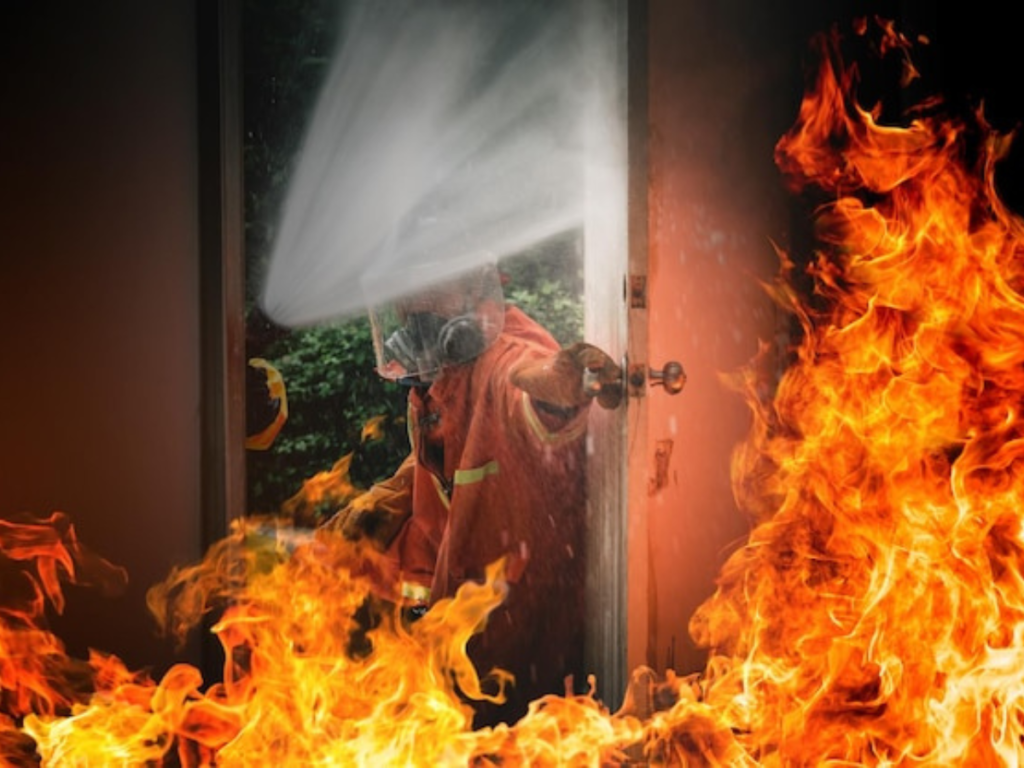
Experiencing a fire in your home is a traumatic event that can leave you feeling overwhelmed. Understanding how to assess the situation is crucial for safety and effective restoration. This guide provides homeowners in Drexel Hill, PA, with a step-by-step approach to evaluating the aftermath, ensuring a safe and informed recovery process.
With years of hands-on experience, New Image Restoration has helped families navigate the challenges of fire damage by combining expert knowledge with local insight. Taking the right steps early on not only protects your property but also makes the restoration process smoother and more efficient. Homeowners can rely on expert support at every stage, from thorough assessment to full restoration.
Prioritize Safety
Before entering your home post-fire, safety is paramount. The aftermath of a fire can present numerous hazards:
- Structural Instability: Heat can weaken walls, ceilings, and floors, leading to potential collapses. Even if the structure appears stable, hidden weaknesses may exist.
- Electrical Hazards: Damaged wiring may pose electrocution risks. A licensed electrician should always inspect your system before use.
- Gas Leaks: Compromised gas lines can lead to explosions. If you suspect a leak, leave immediately and contact the utility company.
- Toxic Smoke Residue: Soot and smoke particles can be harmful to health. Wearing masks and limiting exposure reduces the risk of respiratory problems.
Action Steps:
- Wait for professional clearance before re-entering.
- Wear protective gear, including gloves and masks.
- Avoid using electrical appliances until inspected.
Conduct a Visual Inspection
Taking a systematic approach ensures that no hidden damage is overlooked during the initial assessment.
- Exterior Assessment: Check for signs of fire damage on the roof, walls, and foundation.
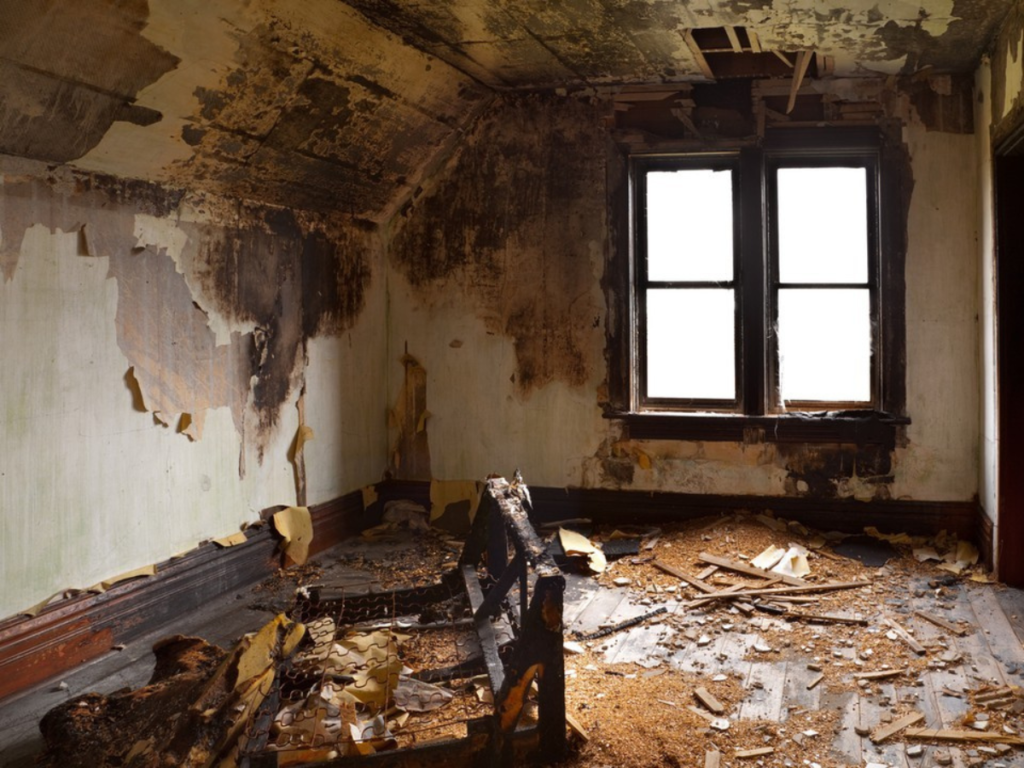
- Interior Examination: Look for charring, discoloration, and structural damage inside the home.
- HVAC Systems: Inspect air ducts and vents for soot accumulation.
- Plumbing and Electrical Systems: Look for signs of damage or wear.
Assess Smoke and Soot DamageTip: Document all findings with photographs for insurance purposes.
Smoke and soot can cause significant damage even if the fire was contained to one area:
- Odor: Persistent smoky smells indicate deep penetration into materials.
- Staining: Yellow or black stains on walls and ceilings are common.
- Corrosion: Metal fixtures may show signs of corrosion due to acidic soot.
Action Steps:
- Clean surfaces with appropriate cleaners.
- Consider professional cleaning for HVAC systems.
- Replace heavily damaged materials like insulation or drywall.
Evaluate Structural Integrity
Assessing the structural integrity of your home is vital:
- Load-Bearing Walls: Check for cracks or warping.
- Beams and Joists: Inspect for signs of weakening or charring.
- Foundation: Look for settling or cracking.
Recommendation: Engage a structural engineer for a comprehensive evaluation.
Identify Water Damage
Firefighting efforts often introduce water damage:
- Damp Materials: Check for wet insulation, carpets, and drywall.
- Mold Growth: Look for signs of mold, especially in hidden areas.
- Wood Warping: Inspect wooden structures for warping or swelling.
Action Steps:
- Dry out affected areas promptly.
- Use dehumidifiers to reduce moisture levels.
- Consult professionals for mold remediation if necessary.
Focus on Safety First
Prioritizing safety helps protect both people and property after damage occurs:
Check Utilities: Ensure gas, water, and electricity are safe before re-entering. If unsure, have a qualified professional confirm that systems are stable before use.
Wear Protective Gear: Gloves and masks can reduce exposure to hazards. Protective clothing also helps prevent skin irritation from soot and debris.
Block Off Unsafe Areas: Keep children and pets away from affected spaces. Marking these zones clearly prevents accidental entry and potential injuries.
Helpful Note: Taking safety measures early creates a secure environment and sets the stage for faster, worry-free recovery. A cautious approach at the start makes the entire restoration process smoother and more effective.
Next Steps Toward Recovery
Once the damage has been assessed, creating a clear recovery strategy is key:
- Address Safety First: Secure structural concerns and essential utilities.
- Call Certified Experts: Partner with professionals trained in restoration.
- Work with Insurance: Communicate early with your provider for smoother claims.
Taking action quickly not only prevents further complications but also helps restore comfort and peace of mind during a challenging time.
Frequently Asked Questions
Q1: How can I tell if my home has smoke damage?
A1: Signs include lingering odors, discoloration on walls and ceilings, and soot accumulation on surfaces. If these signs are present, a professional inspection can confirm the full extent of the damage.
Q2: Is it safe to enter my home after a fire?
A2: Only re-enter after receiving clearance from fire officials and ensuring structural safety. Waiting for confirmation helps prevent exposure to hidden hazards such as weakened floors or toxic fumes.
Q3: How do I prevent mold after water damage from firefighting efforts?
A3: Dry affected areas within 24–48 hours and use dehumidifiers to reduce moisture levels. Quick action reduces long-term repair costs and protects indoor air quality.
Q4: Should I handle the cleanup myself?
A4: For significant damage, it’s advisable to consult with professional restoration services to ensure thorough and safe results. Specialists have the right tools and training to manage hazards effectively, reducing risks to both health and property.
Q5: How do I file an insurance claim after a disaster?
A5: Document all damages, contact your insurance company promptly, and provide them with the necessary information and assessments. Keeping detailed records speeds up the claim process and improves your chances of full coverage.
Turning the Page After a Fire
Assessing damage is a critical step in returning your home to a safe and livable condition. By following these steps and consulting with professionals like New Image Restoration, you can navigate the restoration process with confidence.
Taking prompt action not only minimizes long-term risks but also helps preserve the value of your property. For homeowners searching for fire damage repair near me, timely professional support ensures a smoother and safer recovery. Acting quickly can also reduce repair costs by preventing secondary issues like mold growth or structural deterioration.